 ®
®Top 7 Tips for Preparing Your Commercial Refrigeration Systems for Summer Heat
Queensland summers aren’t gentle—and neither is the toll they take on your commercial refrigeration systems. With temps climbing past 30°C and humidity averaging 70%+, now’s the time to prep your equipment before the heatwave hits. One failure can mean $5,000+ in spoiled stock, lost revenue, and unhappy customers. Don’t sweat it—these 7 practical tips will help you stay cool, compliant, and cost-effective all summer long.
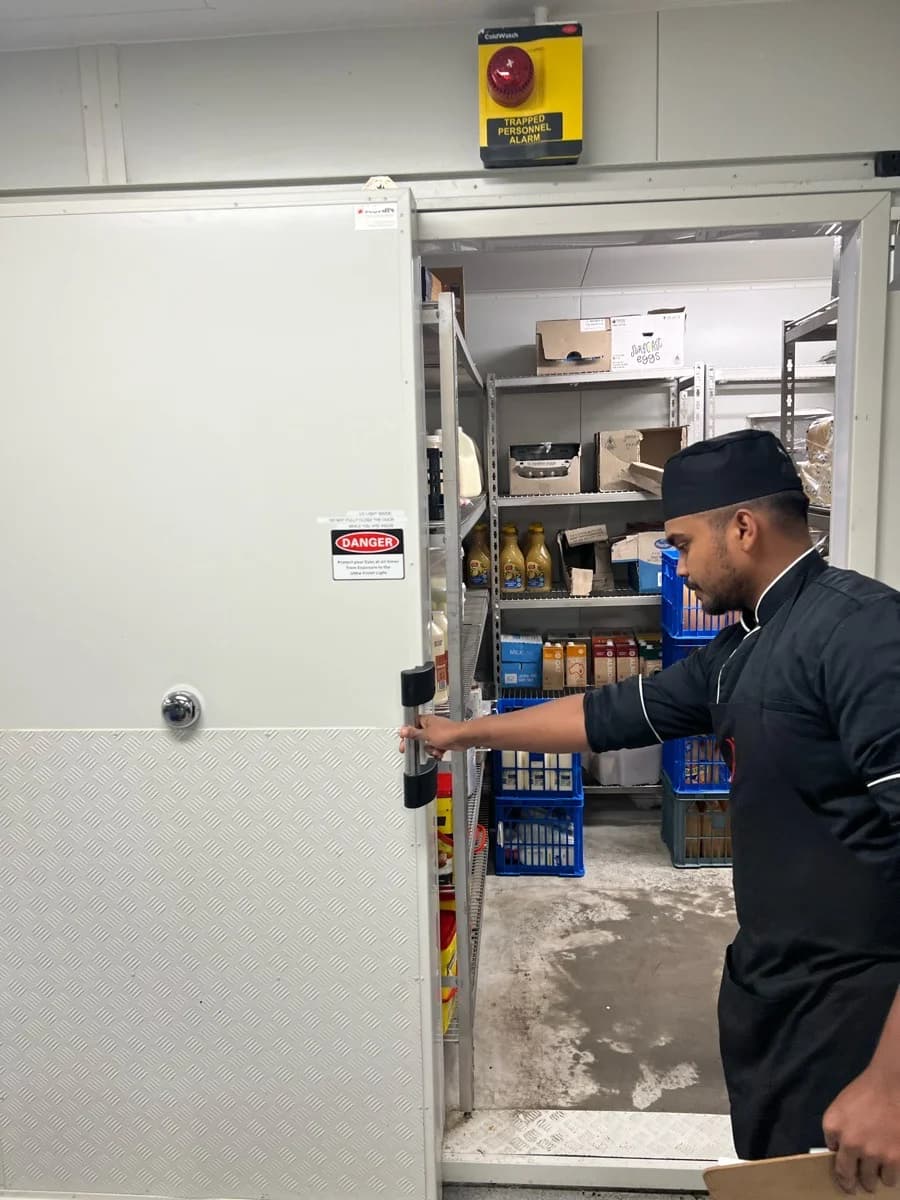
1. Clean the Condenser Coils: Beat the Heat at the Source
Condenser coils work overtime in summer, releasing heat pulled from inside your unit. But in QLD’s dusty inland and salty coastal air, they clog fast—cutting efficiency by 20% and risking system failure. Quick fix: Unplug the unit Brush or vacuum coils monthly For rooftop or outdoor units, rinse gently with a hose A clean coil means cooler performance—and lower energy bills.
2. Check and Clean the Evaporator Coils: Keep the Chill Flowing
Evaporator coils are your cold-makers. But dirt and ice act like blankets, choking airflow and slashing cooling power by 15%, per Carrier. What to do: Inspect coils weekly Defrost if frost forms Clean with coil cleaner or a soft brush When clean, they maintain steady temps that keep products fresher, longer.
3. Inspect and Replace Door Seals: Lock in the Cool
Worn or cracked gaskets leak cold air and invite humidity in—forcing compressors to work harder and increasing power use by up to 30%. QLD tip: Use the paper test: close the door on a strip of paper. If it slips out easily, replace the seal. Check quarterly in coastal areas where salt accelerates wear. New seals are a cheap fix with big returns in energy and performance.
4. Adjust Thermostat Settings: Smart Settings, Smarter Savings
Overcooling costs you—each unnecessary degree below spec burns 3–4% more energy. Best practice: Set fridges at 5°C, freezers at -18°C Use a digital thermometer to double-check actual temps Log readings twice daily—especially during QLD’s peak heat Finding the sweet spot protects your products and your power bill.
5. Ensure Proper Airflow: Don’t Let Your Units Suffocate
Refrigeration systems need room to breathe—blocked airflow leads to overheating and failure. Check this: Maintain 1–2 metres clearance around units Keep vents unblocked Shade outdoor condensers where possible
6. Schedule Regular Maintenance: Prevention Beats Panic
Think of maintenance like a check-up—spot issues early, avoid disaster later. In QLD, where humidity and heat push systems hard, routine service is non-negotiable. Your checklist: Clean coils Check refrigerant levels Inspect electricals and controls Clear drain lines (especially before the wet season) A technician can catch what you can’t—and save you from peak-season chaos.
7. Call the Pros for Repairs: Don’t DIY a Meltdown
We get it—DIY feels faster. But refrigerant leaks, compressor faults, and electrical issues are red-line territory. When to call ACRO Refrigeration: Persistent frost, strange noises, or temp fluctuations Ice build-up that returns after defrosting Refrigerant issues—licensed techs only, or risk $63,000+ fines under the Ozone Act Trust the pros to diagnose, fix, and future-proof your system.
Need expert advice for your business?
Our technicians are available 24/7 for emergency repairs, preventative maintenance and cold room builds across Brisbane, Gold Coast and the Sunshine Coast.
Refrigeration Emergency? We're On Call 24/7.
Don't lose stock to a breakdown. Call now or book a maintenance plan to prevent it happening in the first place.